Related

Meal Planning: The Secret to Staying on Track With Your Fitness Goals
Between work, family, workouts, appointments, errands, and everything else on your calendar, healthy eating can quickly become an afterthought. You start the week with good intentions. You’re going to eat well, get your workouts in, drink more water, and stay consistent.
Then Wednesday rolls around. You’re exhausted. You forgot to plan dinner. You’re hungry. The easiest option suddenly sounds like the best option.
Sound familiar?
The good news is that staying on track with your fitness goals doesn’t require a perfect diet or hours spent in the kitchen every Sunday. One of the simplest habits you can build is meal planning. Meal planning takes some of the daily decision-making out of healthy eating and helps you prepare for the busy moments before they happen.
And when healthy choices are already available, they become much easier to make.
Your Nutrition Matters Just as Much as Your Workouts
Showing up for your workouts is important, but your time in the gym is only one part of the bigger picture. Your body needs quality nutrition to support your training, recovery, energy, and everyday life.
Think about it this way, you wouldn’t expect your car to run well without putting fuel in it. Your body needs fuel, too.
That doesn’t mean every meal needs to be perfectly balanced or that you can never enjoy pizza, dessert, or a night out. It means creating a general routine that gives your body the nutrients it needs most of the time.
What are we talking about? Meal planning. Just a little planning, prepping and preparing can help make your routine much more manageable.
Meal Planning Doesn't Have to Mean Eating the Same Thing Every Day
When people hear “meal prep,” they sometimes picture rows of identical containers filled with chicken, rice, and vegetables.
If that works for you, great!
But meal planning can look completely different.
It might mean:
- Planning three or four dinners for the week
- Cooking extra portions so you have leftovers
- Washing and cutting fruits and vegetables ahead of time
- Preparing overnight oats for busy mornings
- Having healthy snacks ready to grab
- Making a grocery list before heading to the store
The goal isn't perfection, it's preparation.
Start With Your Schedule
Before deciding what you're going to eat, take a look at your week.
Do you have late meetings? Kids' activities? Early mornings? Several days when you'll be heading straight from work to the gym? Your schedule should influence your meal plan.
For example, if you know Tuesday is going to be hectic, Tuesday probably isn't the night to plan a complicated recipe that takes an hour to prepare. Instead, choose something simple. A slow-cooker meal, sheet-pan dinner, grilled chicken with vegetables, tacos with lean protein and toppings, or leftovers from Monday can all make busy evenings easier. Planning around your actual life is what makes the habit sustainable. At CrossFit Threefold we love to share recipes and tips. It’s what keeps our community strong and supportive.
Build Meals Around Protein
If you're working toward getting stronger, improving body composition, or simply supporting your active lifestyle, protein deserves a place on your planning list. Try building your meals around a protein source first. Think chicken, turkey, eggs, Greek yogurt, cottage cheese, fish, lean beef, tofu, beans, or another protein you enjoy.
Then add fruits or vegetables, a quality carbohydrate source, and healthy fats as appropriate for your needs and activity level. You don't need to overcomplicate it.
A simple meal can be incredibly effective:
Protein + produce + carbohydrate + healthy fat = a balanced starting point.
And remember your nutritional needs can vary based on your goals, activity level, and individual circumstances.
Make Your Grocery List Work for You
Once you know what your week looks like, create your grocery list based on the meals you actually plan to eat. That way you aren’t running out last minute grabbing ingredients you “thought” you had. Take inventory, make a list and start with the basics.
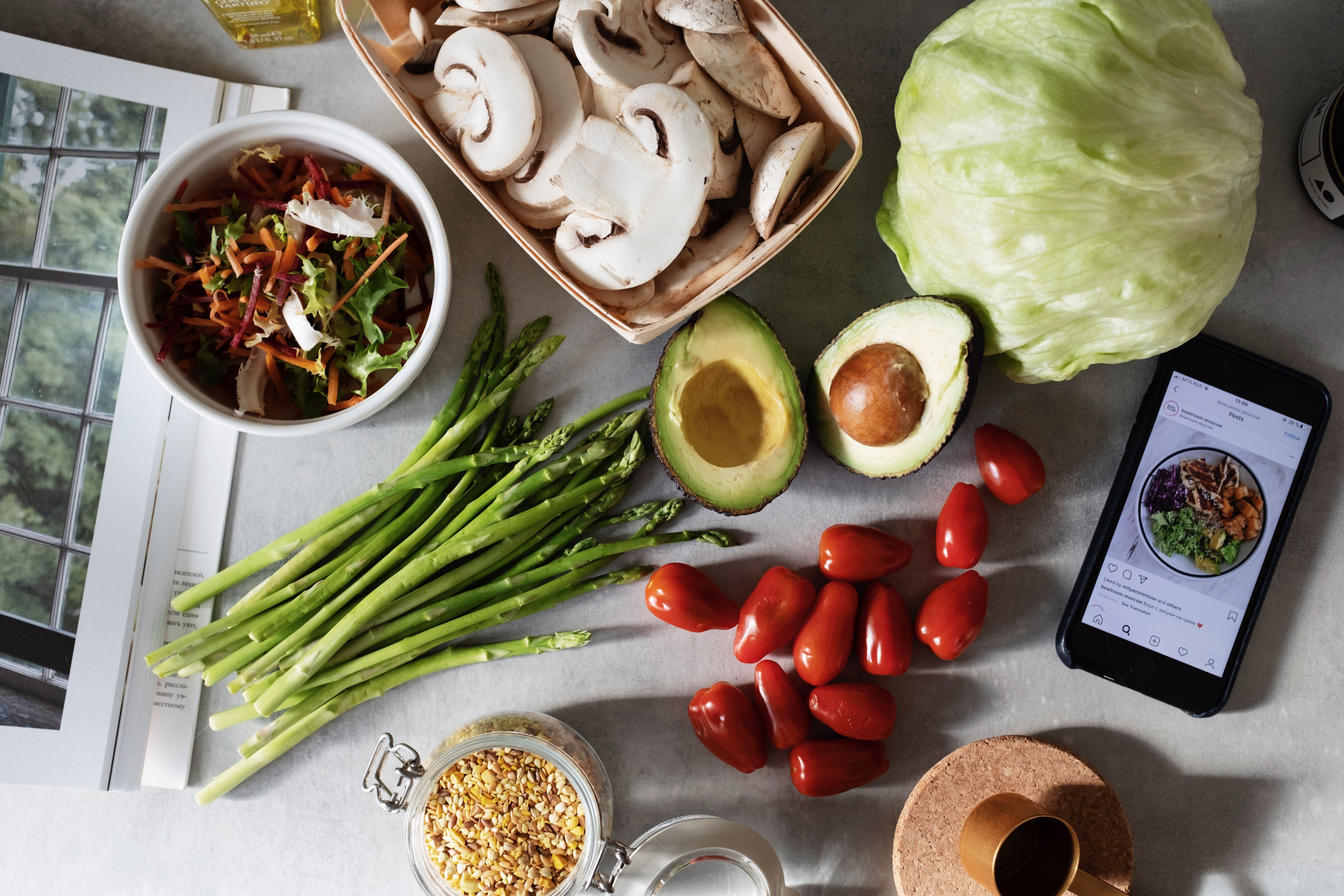
- Protein: chicken, turkey, eggs, Greek yogurt, fish, lean beef, beans
- Produce: berries, bananas, apples, salad greens, broccoli, peppers, carrots, frozen vegetables
- Carbohydrates: oats, potatoes, rice, whole-grain bread or wraps, quinoa
- Healthy fats: avocado, nuts, seeds, olive oil, nut butter
- Easy options: pre-washed greens, frozen vegetables, rotisserie chicken, canned tuna or salmon, individual yogurt cups
Don't underestimate convenience foods. There is nothing wrong with using frozen vegetables or a pre-cooked protein when it helps you stay consistent. Sometimes the “healthiest” choice is the one you're actually going to prepare and eat.
Plan for the Unexpected
Another important part of meal planning is to be flexible and know things don’t always go as planned. You may have a birthday dinner, takeout with the family, a work event, or simply a night when you're too tired to cook.
That's normal.
Instead of thinking you've “fallen off track,” think about how you can make the next choice a supportive one. Keep a few emergency meals on hand.
Maybe it's eggs and toast. Maybe it's a turkey wrap with vegetables. Maybe it's Greek yogurt, fruit, or a handful of nuts. Having backup options can keep one unexpected night from turning into an entire weekend of unhealthy choices.
Meal Planning Can Save More Than Time
When you plan your meals, you're not just supporting your nutrition. You're also reducing stress.
Instead of asking yourself at 5:30 p.m., “What are we having for dinner?” you've already answered the question. You may also reduce unnecessary trips to the grocery store, food waste, impulse purchases, and last-minute takeout.
Most importantly, you're creating a system that supports your goals even when motivation is low. And that's what consistency is really about. Just think of how good you’ll feel if you can sleep in a few minutes later because you’ve already prepped breakfast, or you know dinner’s cooking in the crockpot so you can stay a little longer at the gym. Meal planning is really about making nutrition work for you and your busy schedule.
Start Small This Week
You don't need to spend your entire Sunday meal prepping or have every meal perfectly planned to make a difference. Start with one simple goal: plan your dinners for the next five days. Write down a few meals your family will enjoy, make a grocery list, and think about what you can prepare ahead of time to make those meals easier during the week.
A simple list can go a long way toward keeping you organized. When you know what you need before heading to the grocery store, you're less likely to make unnecessary purchases or find yourself reaching for takeout because you don't have anything planned. A little preparation may even help you save money by reducing impulse purchases and food waste.
Maybe you'll chop your vegetables ahead of time, cook a batch of chicken, prepare a few grab-and-go breakfasts, or make enough dinner to have leftovers for lunch the next day. You don't have to do everything at once. Find a few strategies that fit your schedule and build from there.
The goal isn't to create a complicated nutrition system or follow a rigid meal plan. It's simply to make nutritious choices easier when your schedule gets busy. Small, realistic habits are much easier to maintain than a perfect plan that doesn't fit your life.
Your Fitness Goals Need a Lifestyle to Support Them
Fitness is about so much more than what happens during your time at the gym. Your nutrition, recovery, sleep, daily habits, and the people you surround yourself with all play a role in helping you feel and perform your best.
That's where meal planning can make such a difference. It connects your nutrition to your real-life schedule and helps you prepare for busy days instead of letting them derail your goals.
You don't need to eat perfectly. You don't need to meal prep every single meal. And you certainly don't need to give up the foods you love. Instead, focus on creating a flexible approach that supports your goals while still leaving room for real life.
When your nutrition, training, recovery, and community work together, you're building more than a workout routine. You're creating a lifestyle that supports you both inside and outside the gym—and helps you become stronger, healthier, and more confident along the way.